
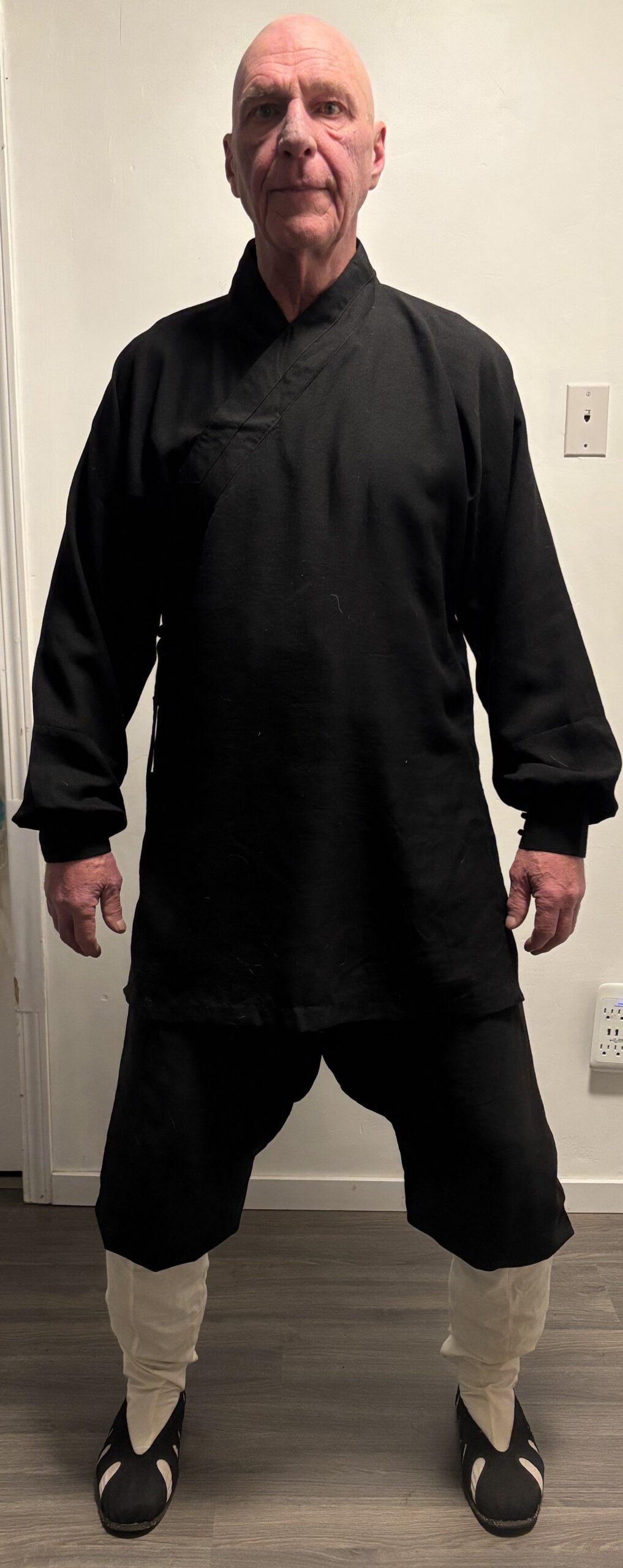
Introduction — Why Daily Practice Matters
Many people are curious about Qigong, but they hesitate to begin.
They believe they need more time.
More flexibility.
More knowledge.
Or a perfect routine.
The truth is much simpler.
Qigong does not require perfection. It requires consistency.
Five to ten minutes practiced daily will do more for your body and nervous system than one long session once a week. When practiced gently and regularly, Qigong becomes less of an exercise and more of a way of returning to yourself.
You do not need to master complicated forms to begin.
You only need a small space, a few quiet minutes, and a willingness to stand.
Over time, practice extends beyond movement. Small daily habits—like preparing simple meals or growing fresh herbs—can support the same sense of balance cultivated through Qigong.
If you’re interested in starting small, I recommend exploring sources like Richters Herbs, where you can find accessible options for growing your own nutrient-rich plants at home.
https://www.richters.com/?source=afl_a1bc
Step 1 — Create a Simple Practice Space
Your practice space does not need to be special.
A quiet corner of a room is enough.
A small area where you can stand comfortably without distraction.
Choose a time of day that is realistic:
- Early morning before the day begins
- Midday reset
- Evening to unwind
The key is not the time itself — it is the consistency.
Commit to 10 minutes.
Not 30. Not an hour.
Ten minutes daily builds rhythm. Rhythm builds habit. Habit builds depth.
Step 2 — Begin with Standing (Zhan Zhuang)
The simplest way to begin Qigong is through standing meditation, often called Zhan Zhuang.
Stand with your feet shoulder-width apart.
Allow your knees to soften slightly — not bent deeply, just unlocked.
Let your arms rise gently in front of your chest as if you are holding a large ball.
Shoulders relaxed.
Elbows heavy.
Hands open and natural.
Keep your spine tall but not rigid.
Tuck the chin slightly.
Let the crown of the head feel lightly lifted.
Now breathe naturally.
Do not control the breath.
Do not force it deeper.
Simply stand.
Start with 2–3 minutes.
At first, the mind may wander. The legs may feel tired. This is normal. You are building structure and awareness at the same time.
With daily practice, effort begins to soften. The body starts to organize itself around alignment rather than tension.
Step 3 — Add Gentle Movement (Optional)
After standing, you may add one or two simple flowing movements.
For example:
- Slowly raising the arms overhead on an inhale
- Lowering them gently on an exhale
Or:
- Shifting weight from one foot to the other with relaxed arms
Keep the movement slow and continuous.
The goal is not performance.
It is coordination of breath, posture, and awareness.
Even 2–3 minutes of gentle movement is enough.
Step 4 — Close the Practice Properly
To finish, stand quietly again.
Place your hands over your lower abdomen.
For men, place the right hand over the left.
For women, place the left hand over the right.
Let the hands rest gently below the navel.
Breathe softly.
Allow your body to settle.
This closing moment is important. It helps integrate the effects of the practice rather than abruptly stopping and rushing away.
Stay here for 30–60 seconds.
Then continue your day.
Common Beginner Mistakes
- Practicing too long too soon
- Forcing deep breathing
- Chasing sensations
- Comparing progress
- Expecting dramatic results immediately
Qigong develops subtly.
It strengthens posture.
Calms the nervous system.
Improves internal awareness.
But these changes accumulate quietly.
Final Encouragement
You do not need an elaborate routine.
You need consistency.
Five minutes daily.
Standing.
Breathing.
Returning.
“Return to the moment. This is how Qi is cultivated.”
Over weeks and months, this small daily practice builds internal strength, steadiness, and clarity.
Begin simply.
Begin today.
As your practice develops, you may wish to explore how to deepen and refine your standing practice. You can continue here: Qi Gong and Mindfulness Practices.
Join the TaijiPulse Circle
Receive quiet reflections on Qigong, Taiji, and the art of standing rooted in a moving world.