
Humid weather has a way of making the body feel like damp laundry: heavy, slow to move, a little swollen. Traditional Chinese food energetics has a word for that feeling, and it is “dampness.” The idea is old, the kitchen advice that comes with it is gentle, and you can try it without giving up anything you love.
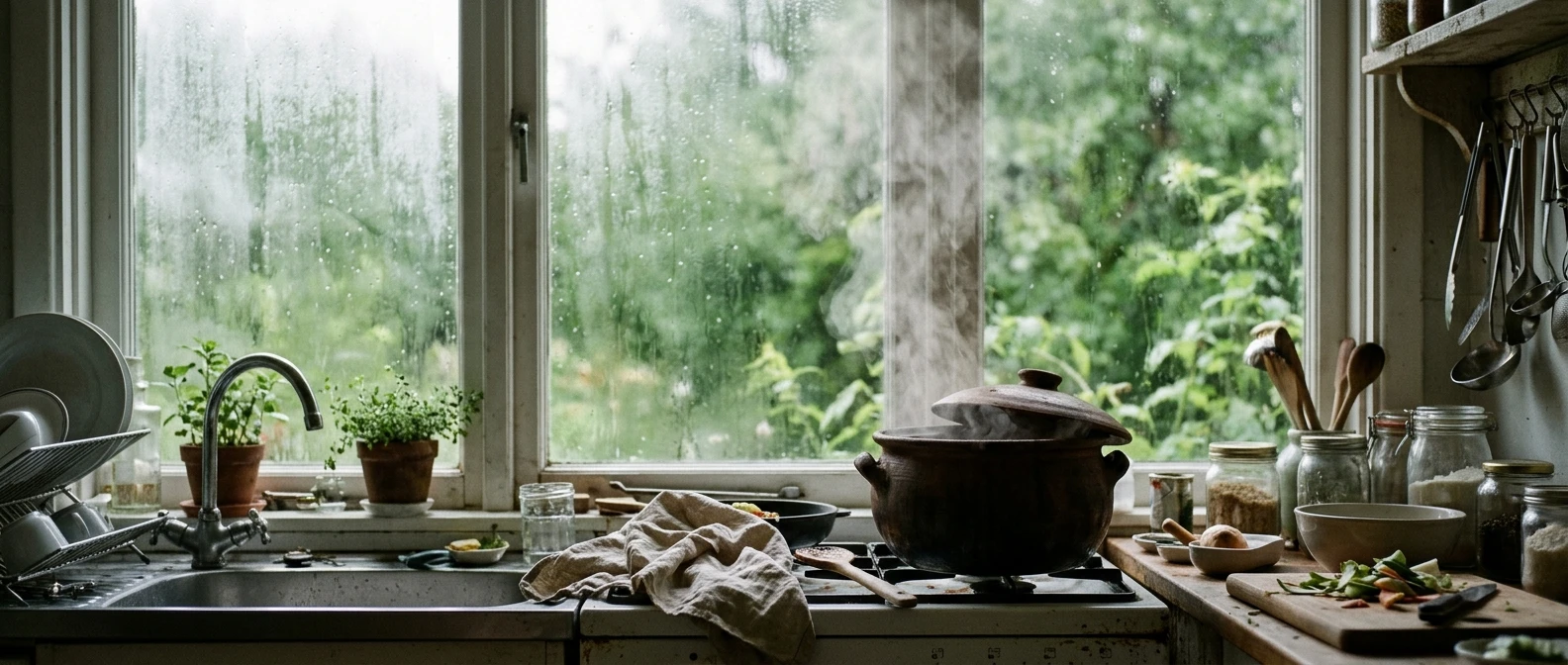
This guide explains what dampness means in a Chinese medicine diet, why it is tied to late summer, and six swaps for a lighter, warmer plate. It is also clear about what food cannot do for puffy joints and when swelling needs a doctor first. If you are reading in autumn, keep it for next August, or use it during any muggy, rainy spell.
What “dampness” means in food energetics, and what it does not mean
In traditional Chinese medicine, dampness (shi) is a descriptive image. It covers a cluster of experiences: heaviness in the limbs, a full or bloated belly, loose or sluggish digestion, a coated tongue, a head that feels wrapped in cotton. The tradition pictures the body as processing food and fluid the way a kitchen processes steam. When the process is overwhelmed, moisture is said to linger where it should have moved on.
Dampness is a way of organising observations, and it is not a medical diagnosis. Modern medicine does not recognise it as a condition, so no study measures it directly, and no food has been shown to “clear” it. A practitioner using this language is describing a pattern of symptoms in the tradition’s own vocabulary.
What the idea offers a home cook is a set of questions. Is this meal heavy, cold, greasy or very sweet? Did I eat it late? Does my body seem to want something warmer and simpler? Those are reasonable things to notice in any season, and the tradition happens to attach them to one season in particular.
Why late summer is the season this idea is tied to
Classical Chinese thought divides the year into five phases rather than four seasons. The fifth is late summer, sometimes called “long summer,” the stretch of hot, wet weather between the height of summer and the first cool days of autumn. It belongs to the Earth phase, which the tradition links to the Spleen and Stomach, the organs of digestion in its vocabulary. Dampness is the climate factor associated with this season.
The logic is simple. Humid air is heavy, appetite often drops, and many of us reach for iced drinks, raw salads, ice cream and cold smoothies. The tradition says the digestive system works best when it is kept warm, and that cold, raw and very sweet foods can overload it in exactly the weeks when it is already under strain from the weather.
Whether or not you accept the framework, the seasonal pattern is easy to recognise. Muggy weeks change what we crave and how we eat, and they change how we feel afterwards. Paying attention to that is a reasonable use of the idea.
How dampness is said to show up
Food energetics texts describe the same handful of signs again and again. They include:
- Bloating or a sense of fullness after meals, even small ones
- Heavy arms and legs, as if moving through water
- Puffy, stiff or slightly swollen-feeling joints, often worse in humid weather
- A foggy, slow start to the morning
- Loose or sticky stools, and a lack of appetite
Several of these overlap with ordinary things: a hot night’s poor sleep, dehydration, a salty restaurant meal, hormonal shifts, or medication side effects. The tradition reads the cluster as one pattern. That reading gives you a place to start experimenting with food, but it is not evidence that dampness is the cause of any one symptom.
Joints deserve extra care. Swelling in a joint can have many causes, and some of them need treatment that no change of diet will provide.
First, a word on swelling: when to see a doctor before changing your plate
Please read this section before you change anything in the kitchen. Get medical advice promptly, and do not wait for a food experiment to run its course, if you notice any of the following:
- A joint that is suddenly swollen, hot, red or very painful
- Swelling with a fever or feeling generally unwell
- Swelling in one leg, especially with pain, tenderness or warmth in the calf
- Swelling in both legs or ankles together with breathlessness, chest pain or fatigue that is new
- Joint stiffness that lasts more than about thirty minutes after waking, or swelling that keeps returning in the same joints
- Swelling that appeared after a fall or injury
Public health guidance such as that from the NHS and the Arthritis Foundation treats signs like these as reasons to be seen, because inflammatory arthritis, infection, blood clots and heart, kidney or liver problems can all show up as swelling. If you already have a diagnosis, such as osteoarthritis or rheumatoid arthritis, or you take regular medication, mention any big change in how you eat to the person who looks after your care.
Food changes belong beside medical care and never in place of it. With that said, the swaps below are ordinary, low-risk kitchen changes.
Six swaps for a lighter, drier plate
Think of these as options to try one at a time. Each one moves a meal a little toward warm, cooked and simple, which is the direction the tradition recommends for humid weather.
1. Cold and raw to warm and cooked
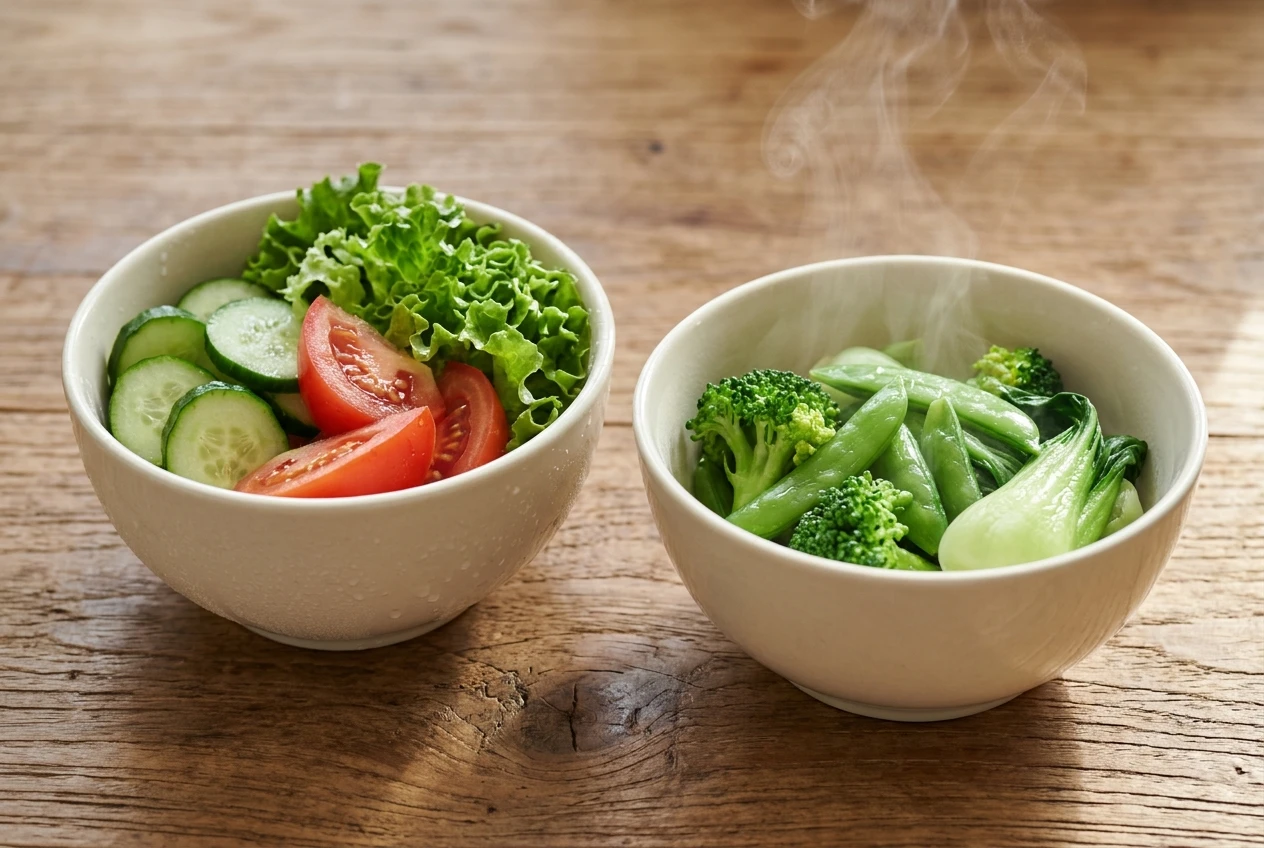
A large bowl of raw vegetables is easy to eat on a hot day and, in this tradition, harder for the digestion to handle. Keep the vegetables and change the treatment: steam them briefly, stir-fry them quickly, or add them to a light broth. Cucumber, tomato and lettuce can be lightly cooked or served at room temperature instead of straight from the fridge.
If you want something raw on the plate, make it a small side rather than the whole meal. Drinks follow the same rule. Water at room temperature or slightly warm is the usual advice, in place of ice.
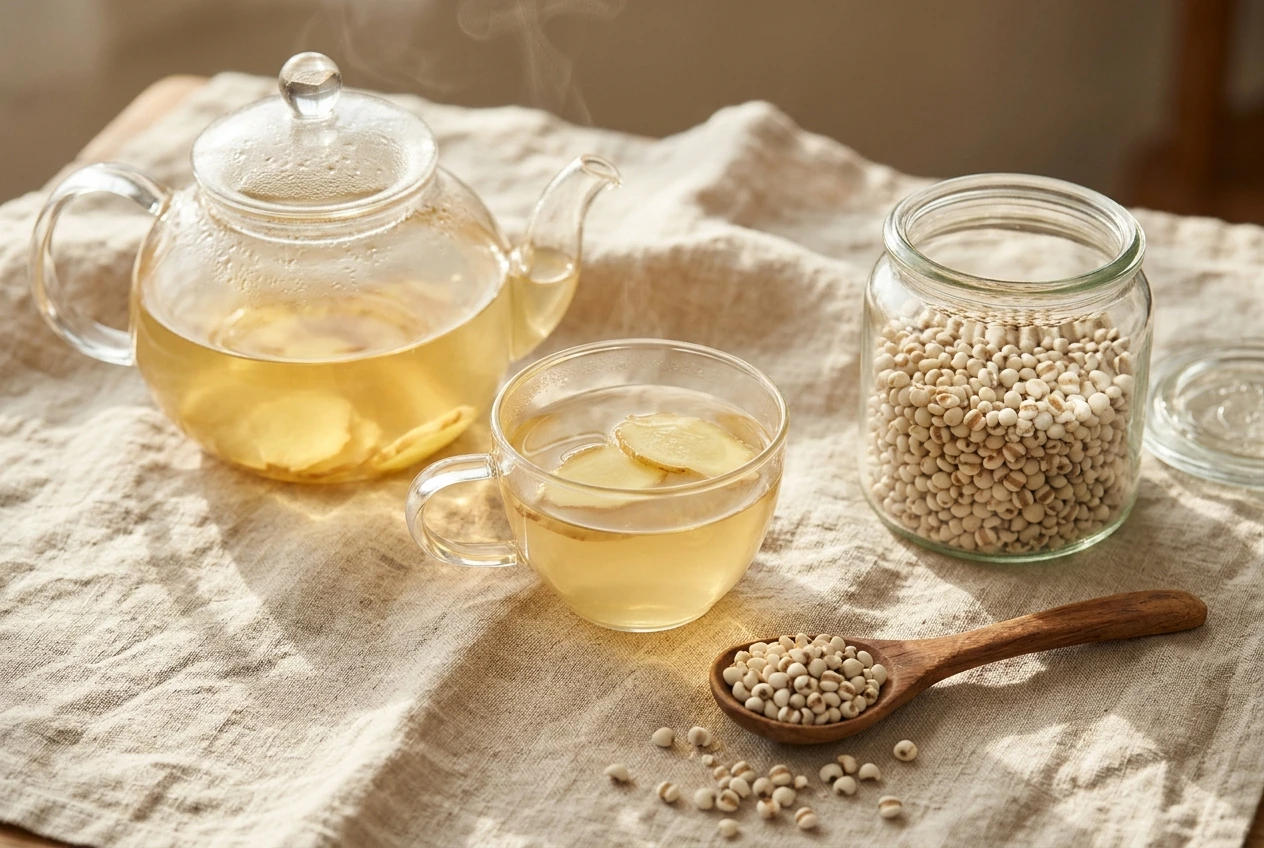
2. Sugary drinks to barley water or ginger tea
Sweetened sodas, bottled iced teas and juice drinks are classed as dampening in food energetics because of both the sugar and the cold. Two traditional replacements are worth trying.
Barley water is made by simmering whole grains in water for a good while and drinking the strained liquid, warm or at room temperature. In Chinese kitchens the grain most often used for this purpose is Job’s tears (yi yi ren, also sold as coix seed or Chinese pearl barley), which is a different plant from the barley found in Western supermarkets. Ordinary pearl barley contains gluten, so check the label if you avoid gluten. Fresh ginger tea, made from a few slices simmered in water, is the other classic.
Ginger is a strong flavour and some people find it irritating to the stomach in larger amounts. If you take blood thinners or other regular medication, ask your pharmacist before making strong ginger tea a daily habit.
3. Deep-fried and greasy to steamed, braised or lightly stir-fried
Greasy food is the other main item on the traditional list of dampening foods. You do not have to give up your favourite dishes. Try cooking methods that use less oil on a few evenings a week: steaming fish, braising chicken with ginger and spring onion, stir-frying vegetables in a small amount of oil over high heat.
Bringing the heat of the pan up and the oil down also tends to leave a plate that feels lighter an hour afterwards. That after-meal feeling is the thing worth noting in your journal.
4. Cold, creamy desserts to warm stewed fruit
Ice cream, milkshakes and rich creamy puddings are among the foods the tradition says to ease back on in damp weather. A warm alternative is a pear or apple stewed gently with a slice of ginger or a pinch of cinnamon, eaten in a small bowl. The sweetness is still there, and it comes with warmth and fibre.
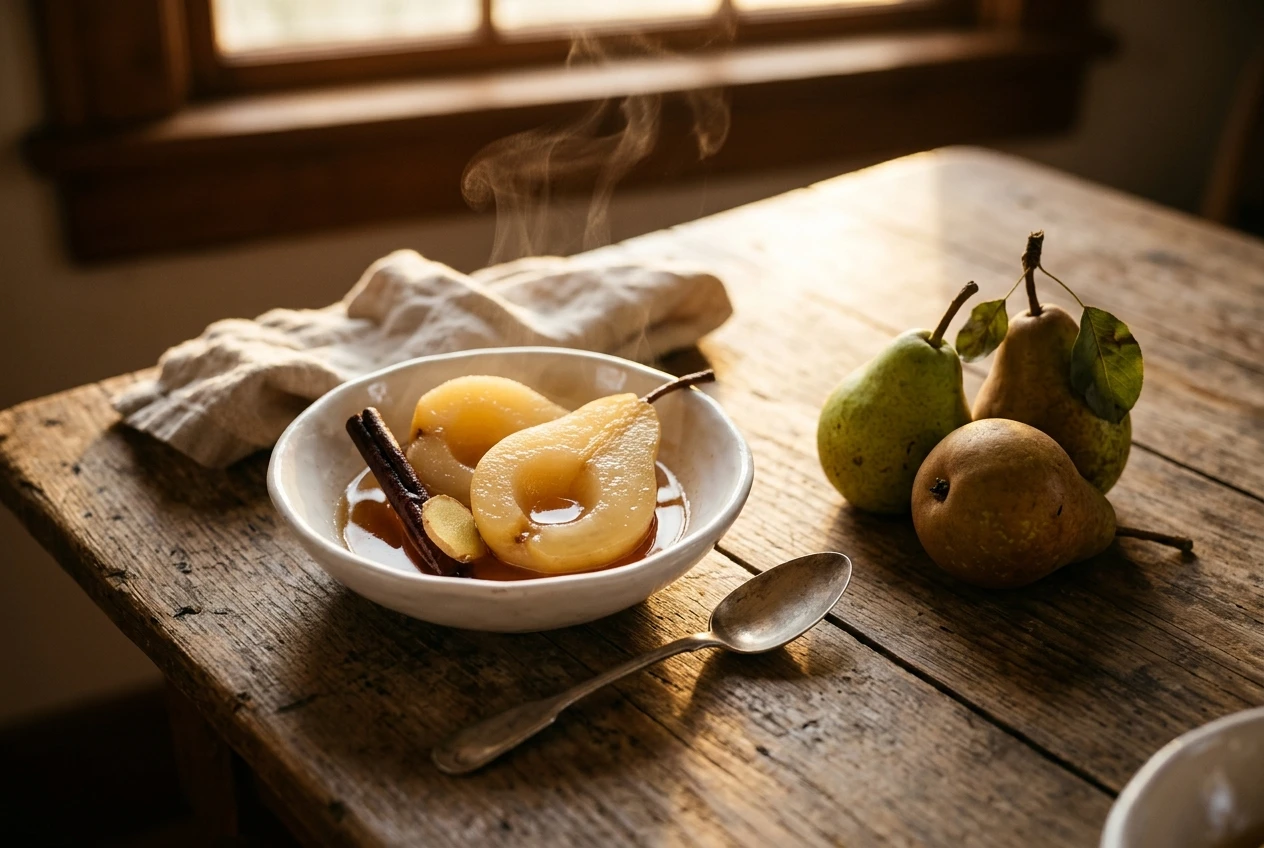
This swap is about an occasional evening dessert. A scoop of ice cream at a family gathering does not need a replacement.
5. A big late dinner to a fuller midday meal
Timing is part of food energetics too. The Stomach and Spleen are described as strongest in the morning and around midday, and weakest late in the evening. In practice, this suggests making lunch your largest meal and keeping dinner smaller, simpler and earlier.
Even if your schedule makes that hard, the principle can be applied in small ways. Eat dinner at least a couple of hours before bed when you can, chew slowly, and stop when you are comfortably satisfied rather than full.
6. A plain white-rice bowl to rice with beans and a drying vegetable
Food energetics texts commonly name a few foods as helpful in damp weather: adzuki (red) beans, Job’s tears, daikon radish, celery and winter melon. You may not find all of them locally, and you do not need to. Adzuki beans cooked into a rice dish, or a daikon and pork rib soup, are traditional home dishes. Celery is available almost everywhere.
Try adding one of these to a bowl you already make, rather than building a new menu around them. Most of the added value of a swap like this is the fibre and the variety, which are good for digestion whichever framework you use.
What to keep, not cut
A seasonal guide can slide into a list of forbidden foods, and that is not what food energetics intends. The tradition asks for balance, and it expects the cook to judge by how the body responds.
Keep eating the foods you enjoy and the ones that suit your health. If you have a condition that requires a particular diet, that diet comes first. If a swap leaves you hungry, tired or unhappy at the table, drop it. Avoid eliminating whole food groups on the strength of an idea that has no clinical trial behind it.
Our piece on lightening your plate in spring for stiff joints takes the same approach: add and adjust first, and remove only what you have good reason to remove. For an honest look at how far diet can go with joint comfort in general, see what anti-inflammatory eating can and cannot do.

Pairing the plate with gentle movement, and your weather and joint notes
The tradition pairs diet with movement, because stagnation is considered part of the same problem. Slow, rhythmic practice like Taiji and Qigong fits well: gentle weight shifting, circling the arms, and standing with soft knees all ask the body to move without strain. On a humid morning, ten minutes of this before breakfast is a reasonable way to start.
Be sensible on days when a joint is swollen or sore. Shorten the practice, reduce the range of movement, or sit for it. Our guide on three questions to ask your body before you practise today helps you decide whether to push or rest.
To find out whether any of this changes how you feel, write it down. Note the weather (humid or dry, hot or cool), what you ate, how your joints felt in the morning and evening, and how heavy or light your body seemed. Our article on whether autumn weather really stiffens your joints sets out a two-week way to compare your own days, and the same method works for a humid week in August.
A few weeks of notes will show you more than any list of rules. Some people find the swaps change nothing for their joints but make their digestion more comfortable, and that is a perfectly good result. Others notice no change at all, which is useful information too.
One swap to try this week
Pick one swap from the six and keep it for seven days. The easiest to begin with is the first: replace one cold, raw meal or iced drink a day with something warm and cooked. A mug of fresh ginger tea after lunch, or lightly steamed vegetables in place of a raw salad, is enough.
Each evening, jot down a line or two in your practice journal: how your stomach felt after meals, how your joints felt on waking, and what the weather was doing. At the end of the week, read the entries back before you decide whether to keep the swap, change it or let it go.
If you would like a trusted food energetics book on your shelf to go deeper, the five-books shelf article is the place to start.